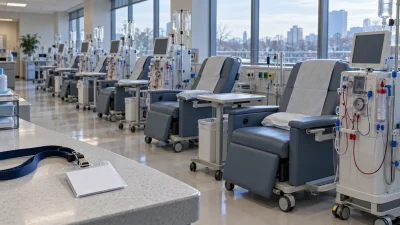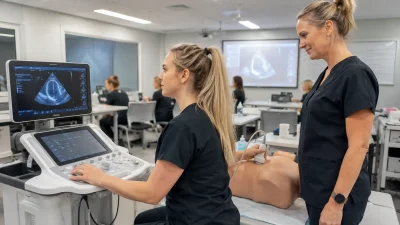
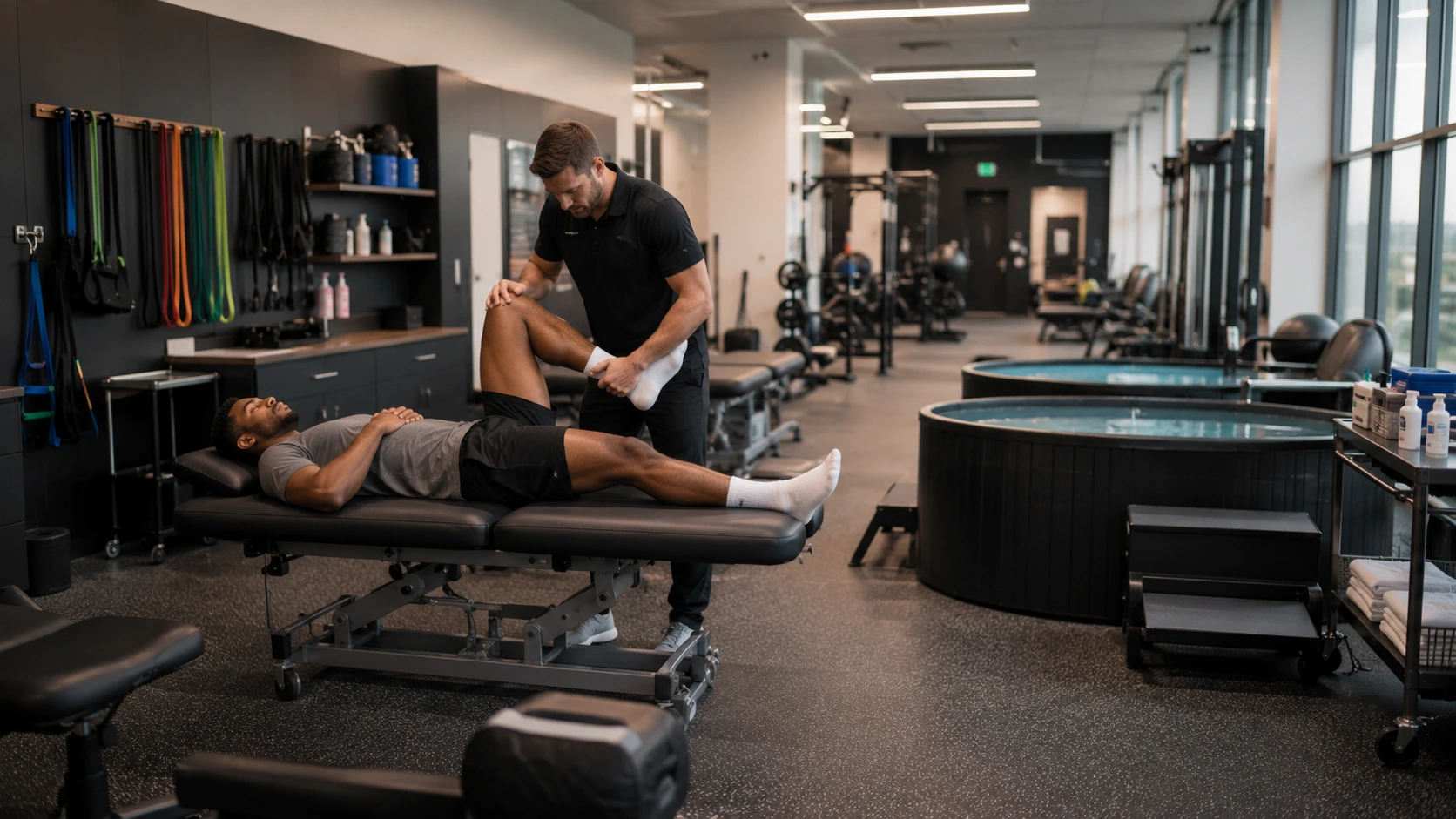
Watch any team still standing in June and you will hear the same word over and over: recovery. The Finals, the Cup, the dog days of a baseball season. At this level the talent gap between teams is thin, and the edge often comes down to who recovers faster between games. Behind every star resting a sore hamstring is a small army of people working the training room, the massage table, the cold tub, and the weight room. Here is what almost nobody tells the kid who loves sports but was never going pro: a lot of those jobs do not require a four-year degree, and the same skills are in heavy demand at clinics, gyms, and recovery studios on practically every block in New York.
This is the heart of the Care Boom. As pro sports turned recovery into a science, that science trickled down into an entire urban healthcare and wellness economy. Physical therapy clinics, boutique recovery lounges, sports-massage studios, and performance gyms are hiring, and several of the on-ramps are certification-based, not degree-based. Let us be straight about which doors are actually open, which ones need a diploma, and how to walk through the open ones starting this month.
Load management, sleep tracking, soft-tissue work, and structured recovery protocols are now standard at the top of every league. That shift created demand for support staff who can do the hands-on work that keeps athletes on the floor. And because the same human body needs the same care whether it belongs to a playoff starter or a weekend runner in Prospect Park, the demand did not stay in arenas. It spread to outpatient clinics, chiropractic and sports-medicine offices, corporate wellness rooms, and the recovery-focused studios popping up from Buffalo to Brooklyn. The hydration and recovery science driving that whole movement is a beat unto itself, and our partners at H2Goals dig into the performance side of it in depth. For job seekers, the takeaway is simple: the care economy around athletic bodies is growing fast, and it needs hands.
The most accessible entry point is the physical therapy aide, sometimes called a rehab aide or therapy tech. You set up equipment, prep treatment areas, guide patients through routine exercises under supervision, and keep the clinic running. The barrier to entry is low by design: most clinics train you on the job, and you can start with a high school diploma. Be honest about the trade-off, though. Entry pay in New York is modest, commonly in the high teens to low twenties per hour, which lands many aides somewhere around the high thirties to low forties annually when starting out. This is a starting line, not a finish line.
The climb is where it gets interesting. Aides who earn an associate degree can become a licensed physical therapy assistant (PTA), a role that averages roughly $75,000 in New York. That is the pattern across the Care Boom: you take the no-credential job to get inside the building, then you stack one targeted credential to jump a tier. The aide role is your paid look behind the curtain before you commit a dollar to schooling.
The smartest move in sports health is not waiting until you have a degree to get near the work. It is getting hired as an aide first, learning whether you love it, and letting an employer help fund the next step.
The License That Travels: Sports Massage Therapy
If hands-on work is the appeal, becoming a licensed massage therapist may be the strongest play in this entire category, and it is genuinely a no-degree path. New York does not require a college degree. It requires a license, which you earn by completing at least 1,000 hours of training at a state-approved school, passing a recognized exam such as the MBLEx, holding current CPR certification, and applying through the New York State Education Department. That is a real commitment, but it is measured in months, not years, and it costs a fraction of a bachelor's.
The payoff is flexibility and a real ceiling. Median pay for massage therapists in New York runs in the rough range of the high forties to mid sixties, but that figure undersells the upside badly, because so much of the work is self-employed or commission-based. Therapists who build a sports massage specialty and a loyal clientele, especially in New York City, report earnings well into six figures. Athletes, runners, and desk-bound professionals with chronic tightness all pay for skilled soft-tissue work, and that demand does not evaporate in a recession or get handed to software.
From Personal Trainer to Performance Coach
The weight room is the third on-ramp, and it has the fastest start of all. You do not need a degree to become a certified personal trainer. The industry standard is a certification from an accredited body such as NASM, ACE, or ISSA, which you can earn in a matter of months and which most gyms and studios accept as your ticket to hire. From there, you can layer on a performance specialization, like the NASM Performance Enhancement Specialist credential, to start working with athletes and active clients on speed, power, and injury prevention. That is a legitimate, no-degree route into the strength and conditioning world.
Now the honest caveat, because Sonic Boom does not sell fairy tales. The gold-standard credential for coaching serious athletes, the NSCA Certified Strength and Conditioning Specialist (CSCS), requires a bachelor's degree to sit for the exam, and the NSCA is tightening that requirement further by 2030. So the no-degree path gets you coaching general and recreational athletes in gyms and studios, which is a large and growing market. The jump to a college, pro, or elite-team strength job is where a degree becomes the price of admission. Know that map before you start walking it.
A few roles people picture when they hear sports medicine are not no-degree jobs, and pretending otherwise would set you up to fail. The athletic training role, the certified athletic trainer (ATC) you see sprinting onto the field, now requires a master's degree from an accredited program plus a national board exam. A licensed physical therapist requires a doctorate. The CSCS, as noted, requires a bachelor's. None of that should discourage you. It should sharpen your plan. The aide, the massage license, and the trainer certification are real careers in their own right, and they are also the on-ramps that let you earn while you decide whether a longer degree path is worth it for you.
Every job in this article shares a quality that matters more every year: it cannot be automated away. A model on a server cannot tape an ankle, work a knot out of a calf, spot a heavy squat, or read the wince on a patient's face and adjust. Hands-on care is one of the most durable categories of human work there is, precisely because the value is in the human touch and judgment. As automation reshapes office work, the people who can physically care for other bodies are getting more valuable, not less. That is the quiet logic underneath the entire Care Boom, and it is the same reason the trades that keep an arena running are just as future-proof. If you want to see that other side of the building, our companion piece on the no-degree trades that run Madison Square Garden covers the crews who keep the lights, ice, and rigging working while the athletes you would care for play below.
How to Start This Month
Pick the on-ramp that fits your temperament and move. If you want to be inside a clinic fast and let an employer teach you, apply to physical therapy aide and rehab tech openings now and ask each one about tuition support for the PTA track. If you love working with your hands and want a license that lets you work anywhere and eventually for yourself, enroll in a New York approved massage therapy program and map your path to the state exam. If the gym is your natural habitat, choose an accredited personal training certification, pass it, get hired, and add a performance specialization within your first year. None of these asks for a transcript. All of them ask whether you show up, learn the body, and earn people's trust.
The recovery room has quietly become one of the most important rooms in professional sports, and the skills that staff it are wanted in every neighborhood in New York. You do not have to make a roster to build a career around keeping athletes healthy. You have to pick a credential, get your hands on the work, and climb. While the cameras stay on the players this June, the people taping ankles and working tables and spotting lifts are building exactly the kind of stable, hands-on, recession-resistant sports medicine careers that Sonic Boom exists to put on your radar. The door is open. Walk in.