New York is investing heavily in EV charging infrastructure, and the demand for trained installation and maintenance technicians far exceeds current supply. With the right certification, you can enter this field without a college degree, earn competitive wages, and build a career in one of the fastest-growing sectors in the state.
You've seen the orange construction barrels. You've noticed the new charging ports popping up in parking garages, rest stops, and apartment complexes across the five boroughs. What you might not have realized is that behind every one of those EV charging stations is a skilled worker who ran the wire, pulled the permits, and made the whole thing safe. And right now, New York needs a whole lot more of those workers.
The state has set some of the most aggressive electric vehicle infrastructure targets in the country, and the labor pipeline to meet that demand is still catching up. That gap is your opportunity — and it doesn't require a four-year degree to walk through it.
Why New York Is Going All In on EV Charging
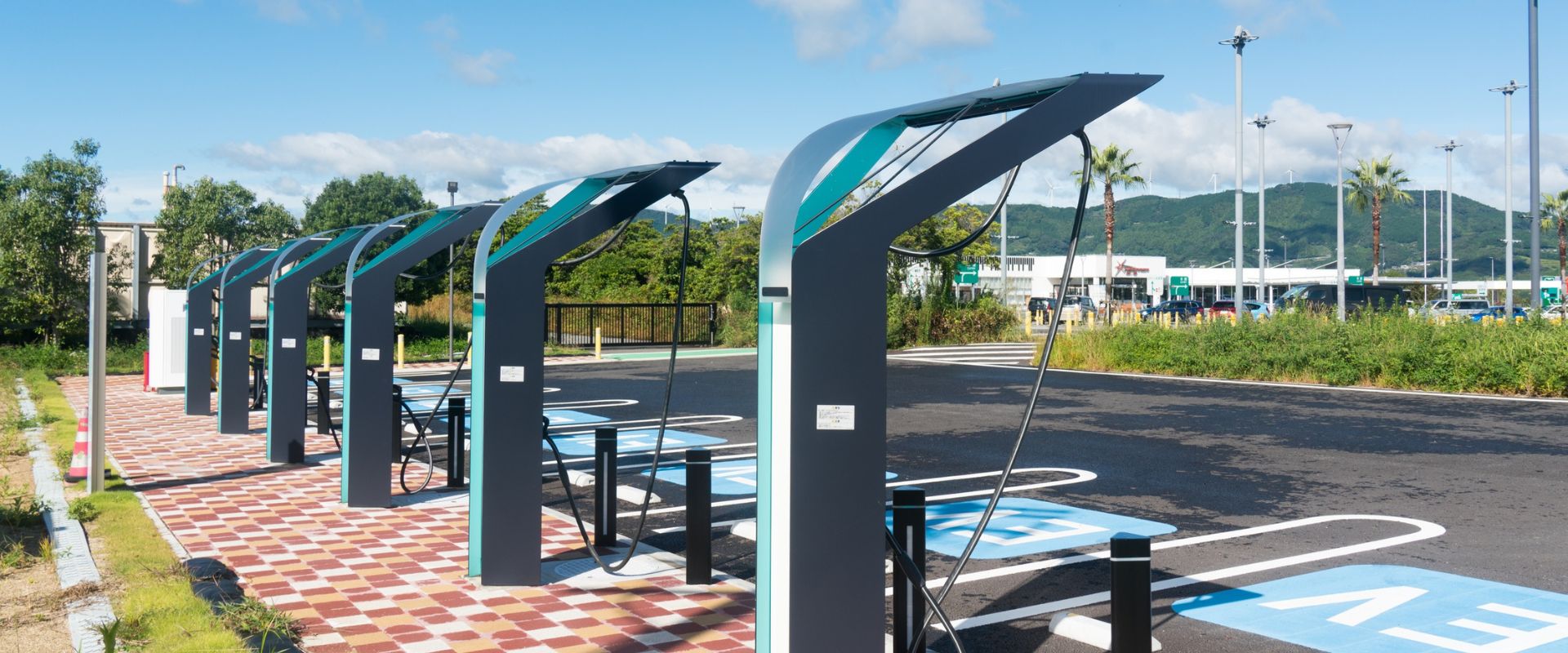
New York State has committed to deploying charging infrastructure at a scale most people haven't fully wrapped their heads around yet. The state's climate law sets a hard deadline: all new passenger cars sold in New York must be zero-emission by 2035. To support that shift, thousands of new public and commercial charging stations need to be operational across the state — in parking lots, transit hubs, highway corridors, and residential buildings.
At the federal level, the U.S. government has set a target of 500,000 EV chargers deployed nationwide by 2030. That's an enormous infrastructure buildout, and New York is one of the states expected to carry a significant portion of that load. The New York Power Authority (NYPA) has already committed millions in workforce development funding to make it happen, including a recent $450,000 grant to the Brooklyn Navy Yard Development Corporation to launch a dedicated EV technician training program — the first of its kind in New York City.
The $100K Pivot: Why Elevator Technicians are the New Tech Elite
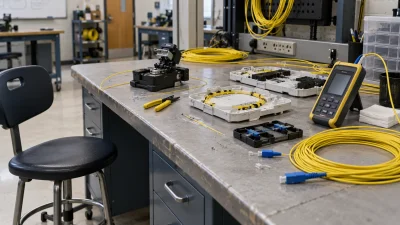
That program, developed in partnership with clean energy training firm SmarterHelp, will run out of a purpose-built 'Smart Lab' at the Brooklyn Navy Yard, giving participants hands-on experience with real charging equipment before they ever step onto a job site.
The Jobs Are Real, and They're Paying
This isn't theoretical. The EV technician job market in New York is active and growing. City agencies, electrical contractors, clean energy firms, and national charging networks are all posting positions — and many of them are struggling to find enough qualified candidates to fill them.
EV charging technicians in New York are earning an average of around $31 per hour, with senior-level installers and project managers at established electrical firms posting salaries in the $85,000 to $125,000 range. Roles in the broader EV infrastructure ecosystem — from site design to grid integration — push even higher. The City of New York itself has posted EV infrastructure technician roles with the Department of Transportation and the Department of Citywide Administrative Services, signaling that public sector EV jobs are becoming a legitimate career track alongside private-sector work.
Companies like Revel, which operates EV infrastructure services in New York City, and EVITP-certified contracting firms like Green Water and Power are expanding their New York footprints. Cardinal Electric, a growing contractor specializing in EV installation, is actively hiring foremen and field supervisors — roles that require field experience, not a diploma.
The Certification That Actually Opens Doors
If you want to get into this space, there's one credential that keeps coming up in job listings, training programs, and contractor conversations: the EVITP certification, which stands for the Electric Vehicle Infrastructure Training Program.
EVITP is a nonprofit, industry-backed program that trains licensed electricians in the specific skills needed to safely install, maintain, and repair electric vehicle supply equipment (EVSE). The curriculum covers site assessment, load calculations, National Electrical Code compliance, personal protective equipment, and jobsite safety. Graduates pass a certification exam that demonstrates competency across all of it. EVITP has certified thousands of electricians across the U.S. and Canada, and its certification is increasingly listed as a preferred or required qualification by major employers.
The key thing to understand is that EVITP is designed for people who already have an electrician's license or are working through a licensed electrical apprenticeship. If you're not yet licensed, that's your first step — and New York has union apprenticeship programs through IBEW (International Brotherhood of Electrical Workers) that will pay you while you learn. Once you have your license, EVITP is the natural next layer that positions you specifically for the EV market.
NYSERDA, the state's energy research and development authority, also lists the SAE International EVSE Technician Certification as a strong credential for workers looking to specialize. SAE's cert is designed to demonstrate that you have the knowledge to safely install, maintain, and repair EV charging equipment — and it's a way to stand out among general electricians who haven't made the EV pivot yet.
How to Get In Without Starting From Zero
The path into EV infrastructure careers is more accessible than most people assume. Here's a realistic breakdown of how someone in New York can move into this field:
Start with an electrical apprenticeship. IBEW Local 3 in New York City is one of the largest electrical unions in the country. Their apprenticeship program is a five-year commitment that combines paid on-the-job training with classroom instruction. You earn a wage from day one and exit with a journeyman's license. No student loan debt required.
Add the EVITP certification. Once licensed, EVITP certification is your ticket into the EV-specific job market. Training is available through approved providers, and the certification exam tests your knowledge of the full EVSE installation process.
Tap into free and subsidized training. NYSERDA actively supports workforce development in this space, and programs like the Brooklyn Navy Yard's new Smart Lab are designed to be accessible — including for career changers. SUNY and CUNY community colleges also offer programs in energy-efficient building systems that can serve as a bridge into this work.
Use the NYPA Virtual Career Center. The New York Power Authority maintains a virtual career center specifically for clean energy roles. It lists participating employers, job openings, and training opportunities connected to the state's energy transition goals.
The Bottleneck Is the Opportunity
Here's what the broader conversation about New York's EV buildout often misses: the limiting factor right now isn't money, and it isn't political will. It's skilled labor. The people who can actually show up on a job site, assess the electrical load, run the conduit, and commission a DC fast charger correctly — there aren't enough of them.
That's a bottleneck for the state's climate goals, but it's a direct advantage for anyone who decides to develop these skills now. The workers entering this pipeline today are positioning themselves ahead of a wave of demand that's only going to grow. Every new apartment building required to install EV-ready parking, every transit authority upgrading its fleet, every commercial landlord retrofitting a garage — they all need certified EV technicians to make it happen.
The Brooklyn Navy Yard training initiative is one signal that New York is serious about building a local workforce for this work rather than importing it. That means the jobs stay here, and the people who get trained here are first in line.
The Bottom Line
New York is wiring itself for an electric future, and the people doing that wiring are in high demand. Whether you're already working as an electrician and looking to specialize, or you're someone considering a trade apprenticeship for the first time, the EV charging infrastructure sector is one of the most concrete pathways into stable, well-paying work that this city currently offers.
You don't need a college degree. You need a plan, the right certification, and the willingness to show up. The grid is being built right now — the question is whether your name is on the crew list.