Last December, the federal government tried to shut down five offshore wind farms under construction along the East Coast, citing national security. Two of them sit off the coast of Long Island. By February, all five had beaten the order in federal court, and cranes that had gone quiet in the last week of the year were moving again by the first week of February. Nobody threw a parade for the ruling. But somewhere in Sunset Park, a crew that had been furloughed for six weeks went back to work on a turnaround nobody outside the industry was tracking.
That is the part of this story that gets lost in the noise of a political fight over energy policy: while the lawsuits played out in Washington, the actual jobs never disappeared. They just sat in legal limbo for a few weeks. And the roles now reopening at New York's offshore wind sites do not require a college degree, a fact the industry has been surprisingly quiet about given how loudly it argues about everything else.
The Fight Nobody Outside the Industry Noticed New York Won
The Interior Department's suspension order hit Empire Wind, Sunrise Wind, and three other East Coast projects on December 22, citing unspecified national security concerns. Equinor, the Norwegian company building Empire Wind roughly fifteen miles off Long Island's coast, had already put more than four billion dollars into the project and put nearly four thousand people to work during construction. The company sued. So did the developers of Sunrise Wind, along with three other projects up and down the coast.
One by one, federal judges sided with the developers. A district judge in Washington cleared Empire Wind to resume in mid-January. Days later, another judge ruled that the suspension of Revolution Wind, a similar project off Rhode Island, was arbitrary and unlawful. By February 2, Sunrise Wind became the fifth and final project to win its case, with the presiding judge writing that the government had failed to adequately explain how construction posed any security risk at all. Every project the administration tried to freeze is now back under construction.
The already built portion of one comparable Northeast project saved ratepayers two million dollars a day in energy costs during a December cold snap, according to the Environmental Defense Fund, a detail cited repeatedly in the litigation over why halting construction made little economic sense.
What's Actually Rising Off Long Island Right Now
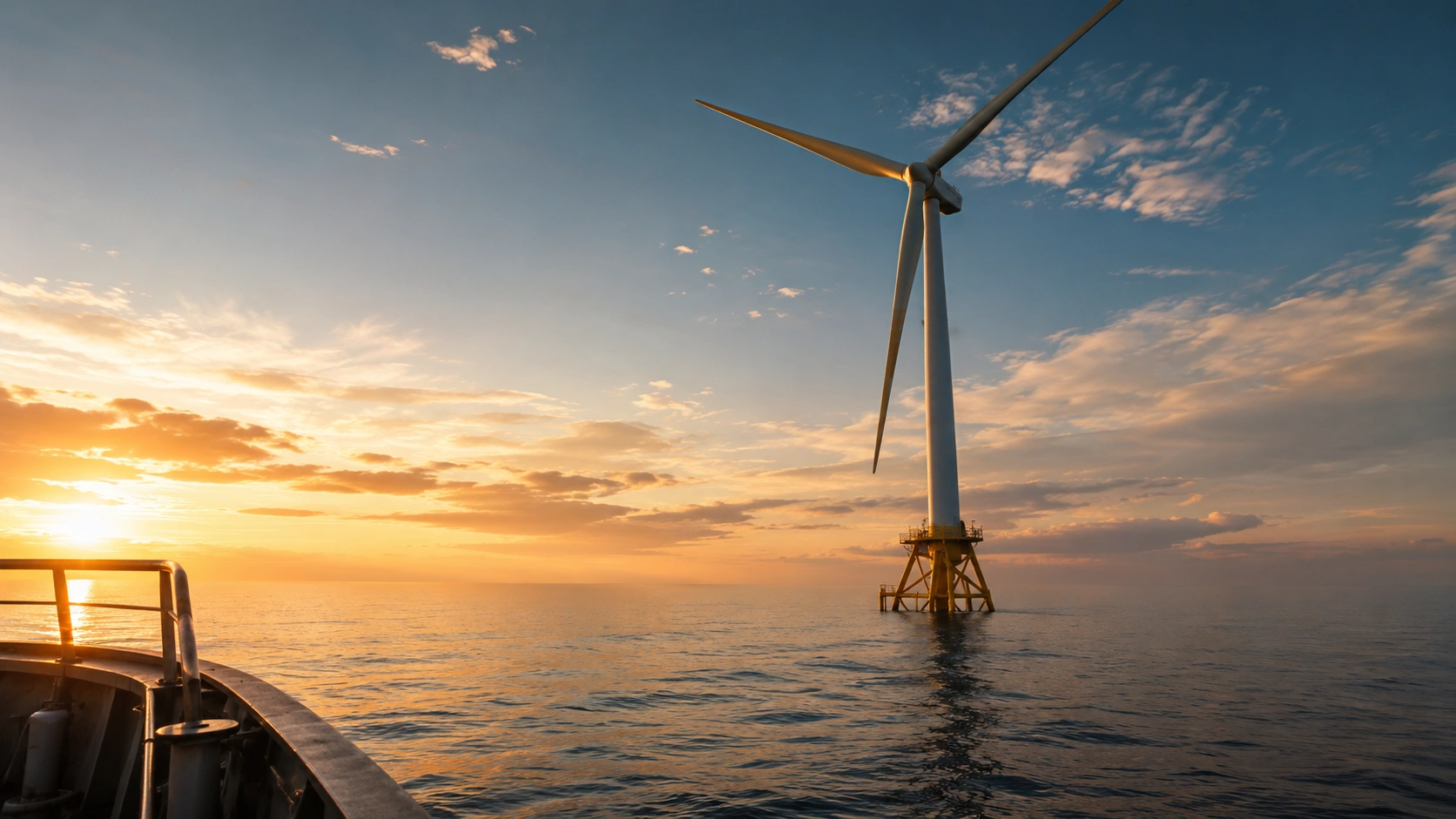
New York already has one working offshore wind farm. South Fork Wind, twelve turbines anchored thirty-five miles east of Montauk, has been powering roughly 70,000 Long Island homes since 2023 and posted a capacity factor above 50 percent this past January, a performance figure that rivals the state's most efficient natural gas plants. Two much larger projects are now racing to catch up. Empire Wind 1 is expected to start sending power directly into New York City by late this year, with full commercial operation targeted for 2027. Sunrise Wind, a 924 megawatt project with a landing point in Shirley, is projected to power close to 600,000 homes once complete.
The staging ground for most of this work is the South Brooklyn Marine Terminal, a formerly idle stretch of Sunset Park waterfront that Equinor is converting into a full assembly and operations hub. It is also home to a newly built Offshore Wind Learning Center, designed specifically to train local residents for jobs the industry insists it cannot fill fast enough. Between Empire Wind and Sunrise Wind, the two projects are expected to generate more than 800 union construction jobs on top of the technician roles that follow once the turbines are spinning.
The Job at the Center of All of It
The role driving most of that hiring is wind turbine technician, and the federal government's own numbers make an unusually strong case for it. The Bureau of Labor Statistics projects the occupation will grow nearly 50 percent between 2024 and 2034, making it the single fastest growing job category in the country, ahead of software development, nursing, and every trade on the BLS list. National median pay sits at $62,580 a year. Technicians who move into senior or specialized roles clear $88,000, and offshore-specific postings in the New York market have listed salaries into the six figures once travel premiums, per diem, and campaign pay are factored in.
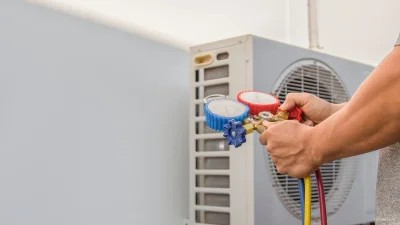
Most wind energy employers do not require a four-year degree, according to New York's own state energy agency, which markets the role directly to residents with prior mechanical experience. What they want instead is comfort with heights, a working knowledge of electrical and hydraulic systems, and a willingness to spend a shift several hundred feet in the air inside a turbine nacelle. That is a very different bar than most people picture when they hear offshore wind jobs, and it is a big part of why the applicant pool has not caught up with the hiring need. It is also a pattern repeating across New York's infrastructure economy right now. The same gap between capital investment and available workers is playing out at the state's data center technician shortage, where AI infrastructure spending is outpacing the trained workforce needed to run it.
How New Yorkers Actually Get In
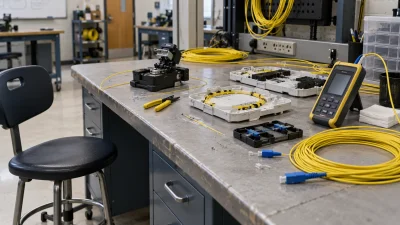
The most direct route is a wind energy technology certificate program, typically seven to eleven months at a technical school or community college, covering electrical systems, turbine mechanics, and the safety certifications the offshore side requires on top of standard wind training, including confined space and survival-at-sea courses. New York's clean energy office has been actively coordinating with labor unions and training providers to build out this exact pipeline, and the Sunset Park learning center exists specifically to shorten the distance between a New Yorker with no industry background and a hiring manager who needs bodies on a turbine.
The building trades route works too. An apprenticeship through one of the unions staffing Empire Wind or Sunrise Wind puts a worker on payroll from day one while training happens on the job, the same model that has made elevator mechanics and other precision trades some of the highest paid, least automatable work in the city. It is worth saying plainly that not every offshore wind role is open to a newcomer. Engineering and environmental compliance positions still lean on degrees. The technician and construction trades track does not, and that is the track actually hiring at volume right now, the same story New York has been living through as it races to wire its EV charging grid with a workforce that barely exists yet.
The Honest Section
None of this is guaranteed to stay smooth. The Trump administration has said it will appeal all five court rulings, and the industry's long-term federal posture past these projects remains genuinely uncertain. What is not uncertain is that Empire Wind and Sunrise Wind are under active construction today, hiring is happening today, and the technician pipeline behind them does not care which way the next appeal goes. New York has watched entire industries chase overseas capital before. This is one of the rare moments where the capital, the training infrastructure, and the entry-level pathway are all sitting in the same zip code at the same time.
The clean energy workforce New York is building on its own waterfront will not wait for the litigation to resolve itself. The turbines off Long Island are already turning. The question for anyone reading this from Sunset Park, Shirley, or anywhere in between is whether they get trained before the current hiring wave closes or after it.